core topics
Memory Psychology Experiments: Classroom Examples and Limits
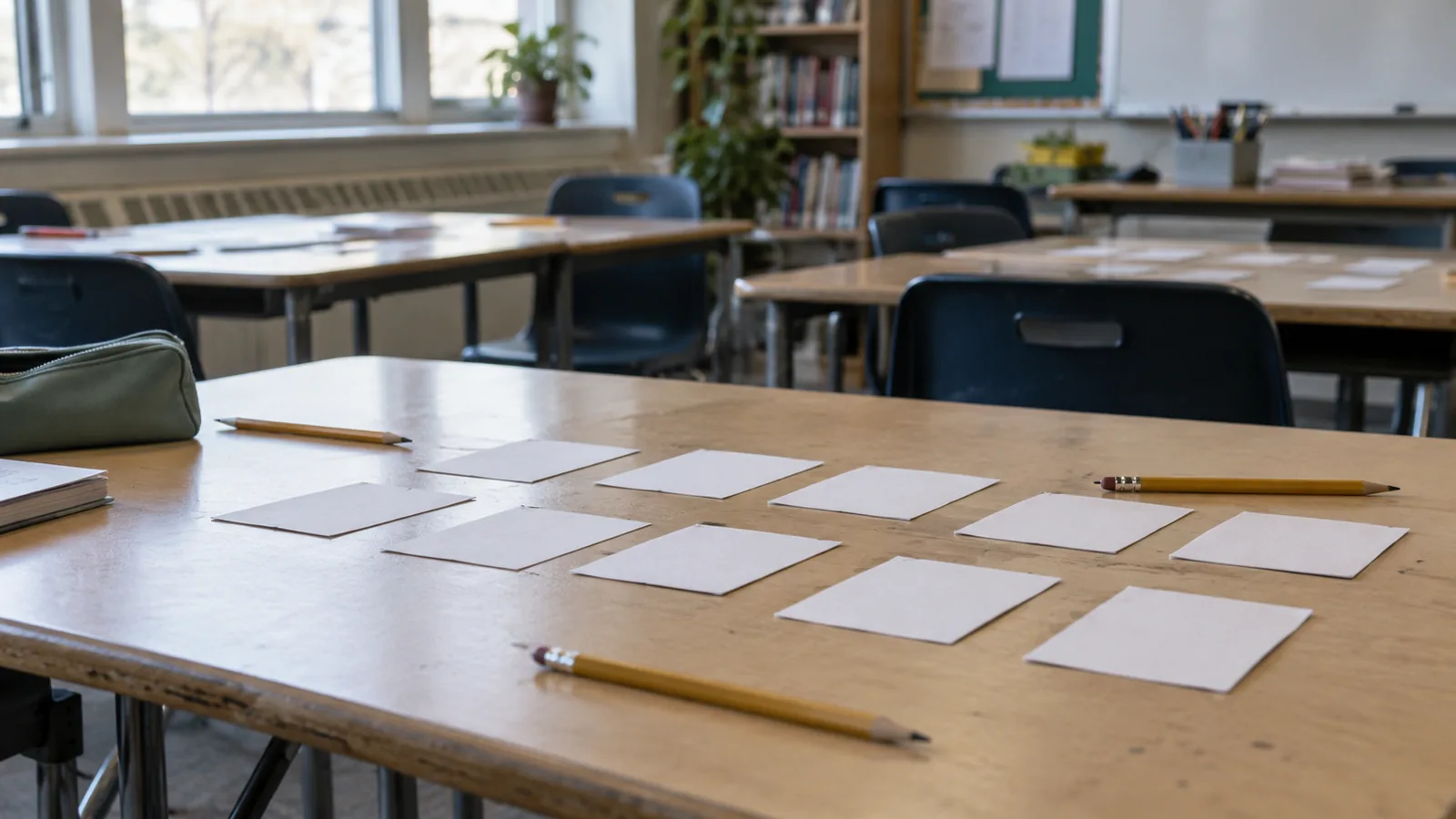
Use original word-list demonstration cards to compare encoding and retrieval, record observations, and explain what classroom results cannot prove.
A map of the subject
Psychology brings together questions about learning, memory, perception, personality, development and social behavior. Use this map to select a question, then follow the corresponding topic guide.
Begin with a concrete question rather than treating psychology as a list of labels. Learning and memory ask how experience changes behavior and how information can be retrieved. Perception and cognition examine sensory interpretation, attention and thinking. Personality and social psychology compare patterns across people and situations. Each field uses evidence, and each claim needs a method appropriate to its question.
Developmental psychology considers change across the lifespan. Ask what age range, process and context a source actually examines. A classroom presentation should distinguish an illustrative example from a conclusion about every child or adult. Avoid using a developmental topic to diagnose someone or recommend treatment.
Return to research methods whenever a topic raises a claim about cause, a measurement or a difference between groups. Check what was observed and what alternative explanation remains. The six main topic guides provide starting questions, textbook reading routes and links to this site’s available original resources.
Textbook starting point: OpenStax Psychology 2e. Educational material; not diagnosis or treatment advice.