
learning memory
Classical vs. Operant Conditioning: Trace the Pairing and the Consequence
Analyze an original mixed learning scene with separate stimulus-pairing and behavior-consequence chains, plus boundary cases and missing-evidence checks.
Analyze an original mixed learning scene with separate stimulus-pairing and behavior-consequence chains, plus boundary cases and missing-evidence checks.
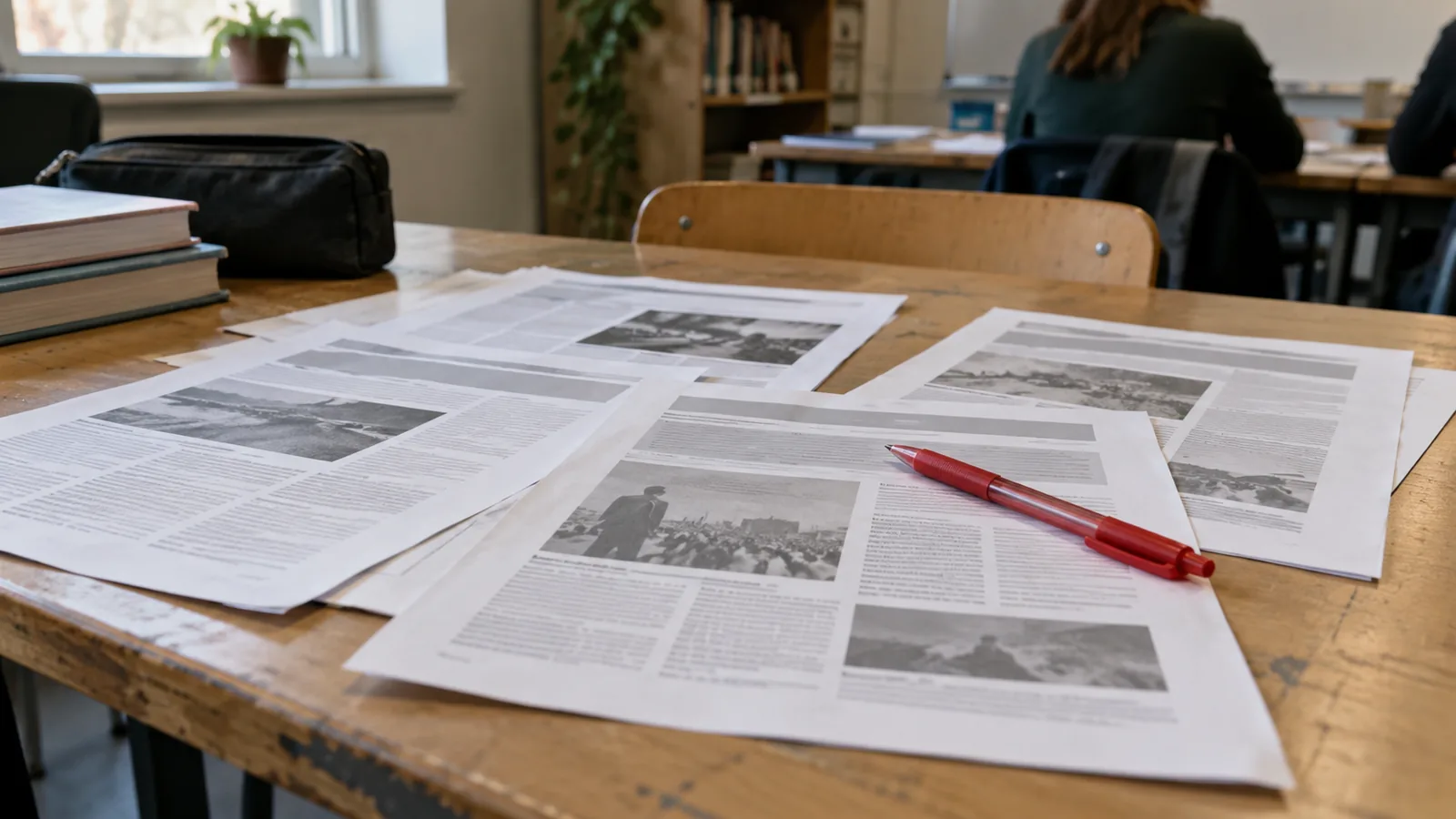
Rewrite fictional psychology headlines to match their evidence, using original cards, a claim-design-explanation sheet and a teacher discussion key.

Choose a bounded, nonclinical presentation question using a topic matrix, OpenStax source routes, comparison axes, and a blank planning template.

Use a claim-and-evidence sheet to read a public psychology paper, locate its sample and measures, and write a conclusion that preserves its limits.
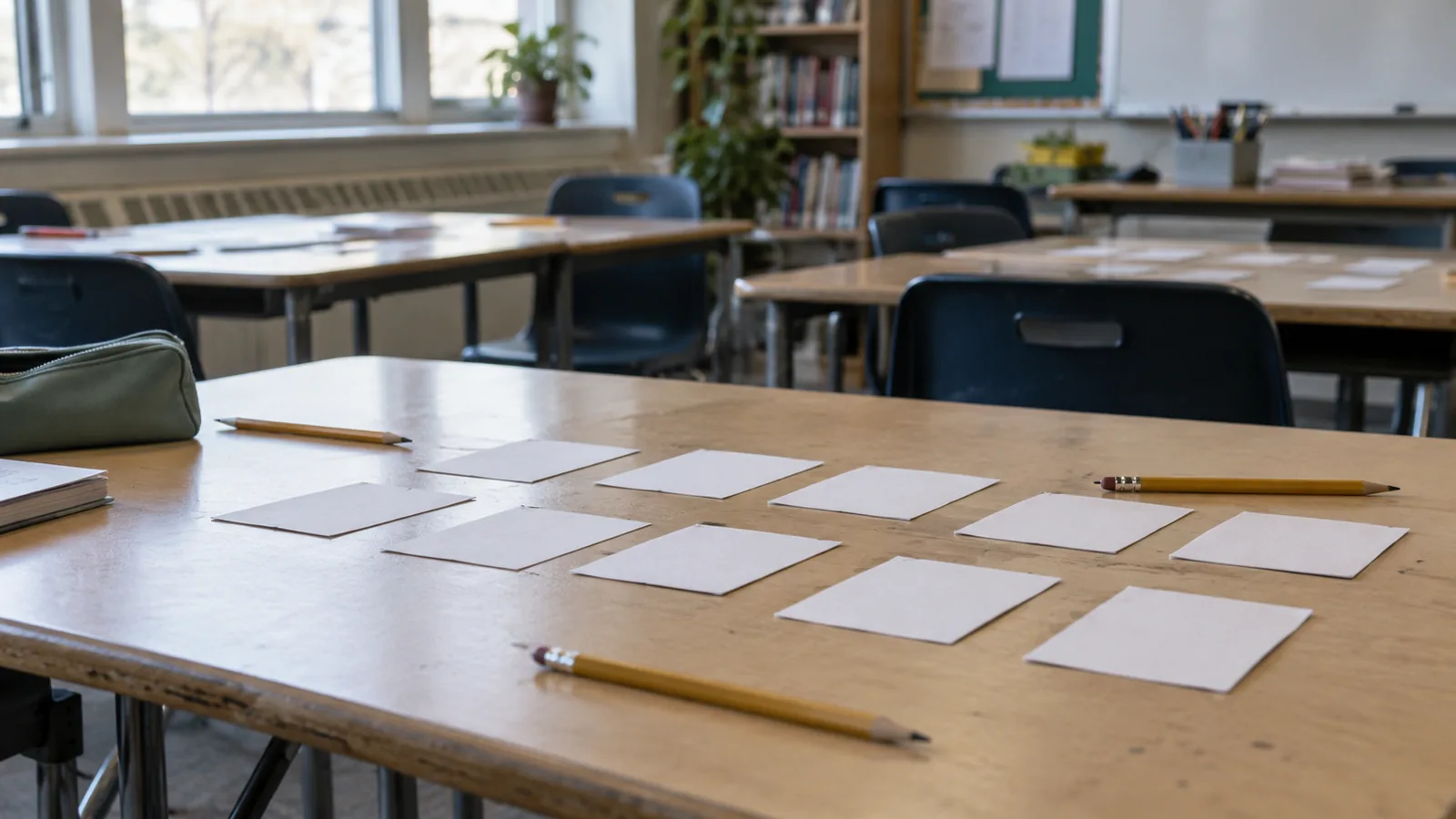
Use original word-list demonstration cards to compare encoding and retrieval, record observations, and explain what classroom results cannot prove.

Compare continuous personality dimensions with category labels, inspect fictional cutoff cases, and separate a model from a scale and its evidence.

Classify original everyday examples by behavior change and stimulus addition or removal, using a blank record and an information-missing check.

Test research-design decisions with original psychology scenarios, explained distractors, an answer sheet, and a method decision tree.

Revise vague psychology questions into explicit manipulations or measurements with an operational-definition worksheet and worked observational counterexample.

Turn psychology notes into concept, example and counterexample prompts, then record your answer, correction and next review without a fixed study prescription.
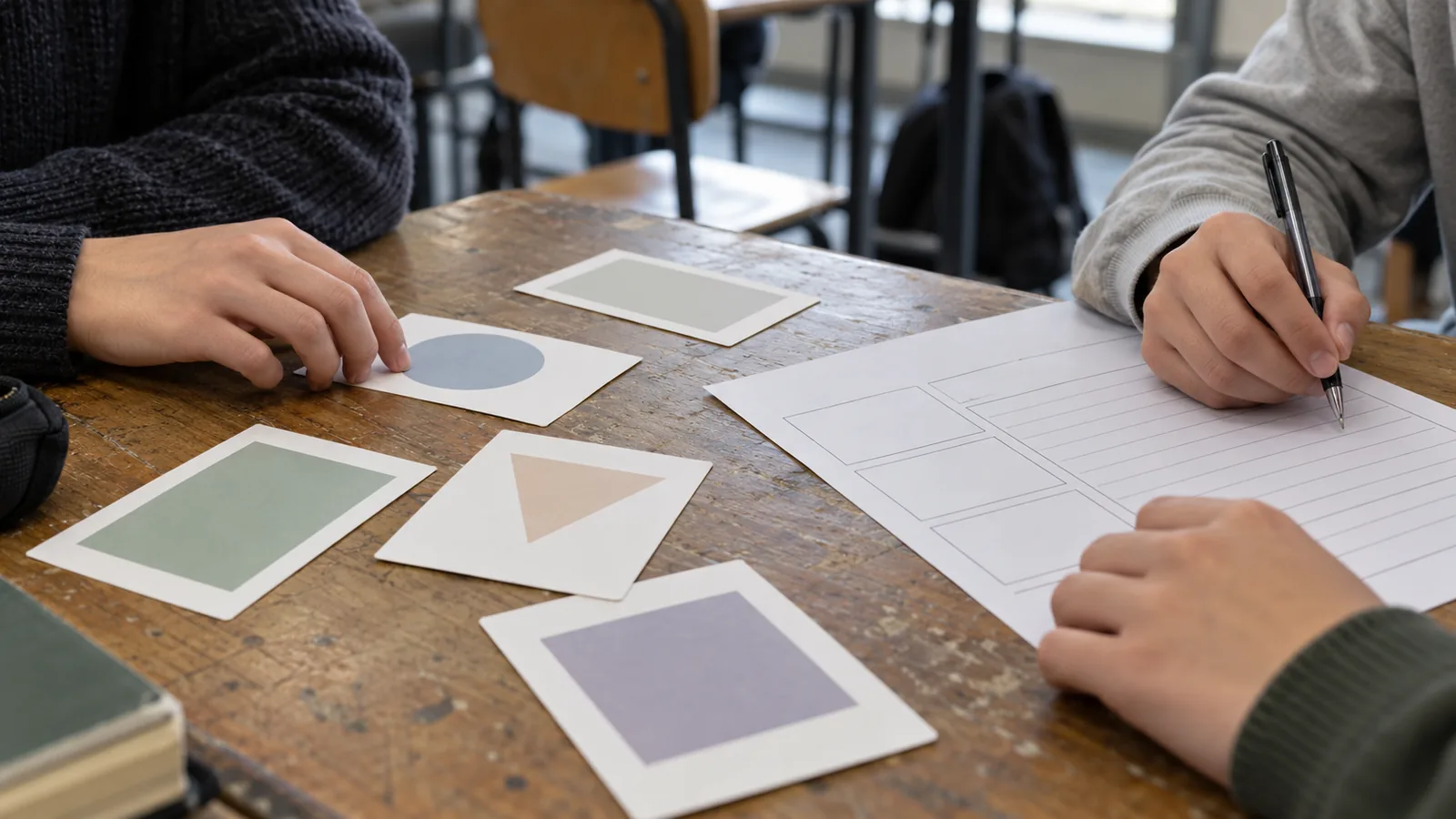
Discuss social influence using original fictional cases, an evidence worksheet, teacher explanations, and clear limits without deceiving classmates.
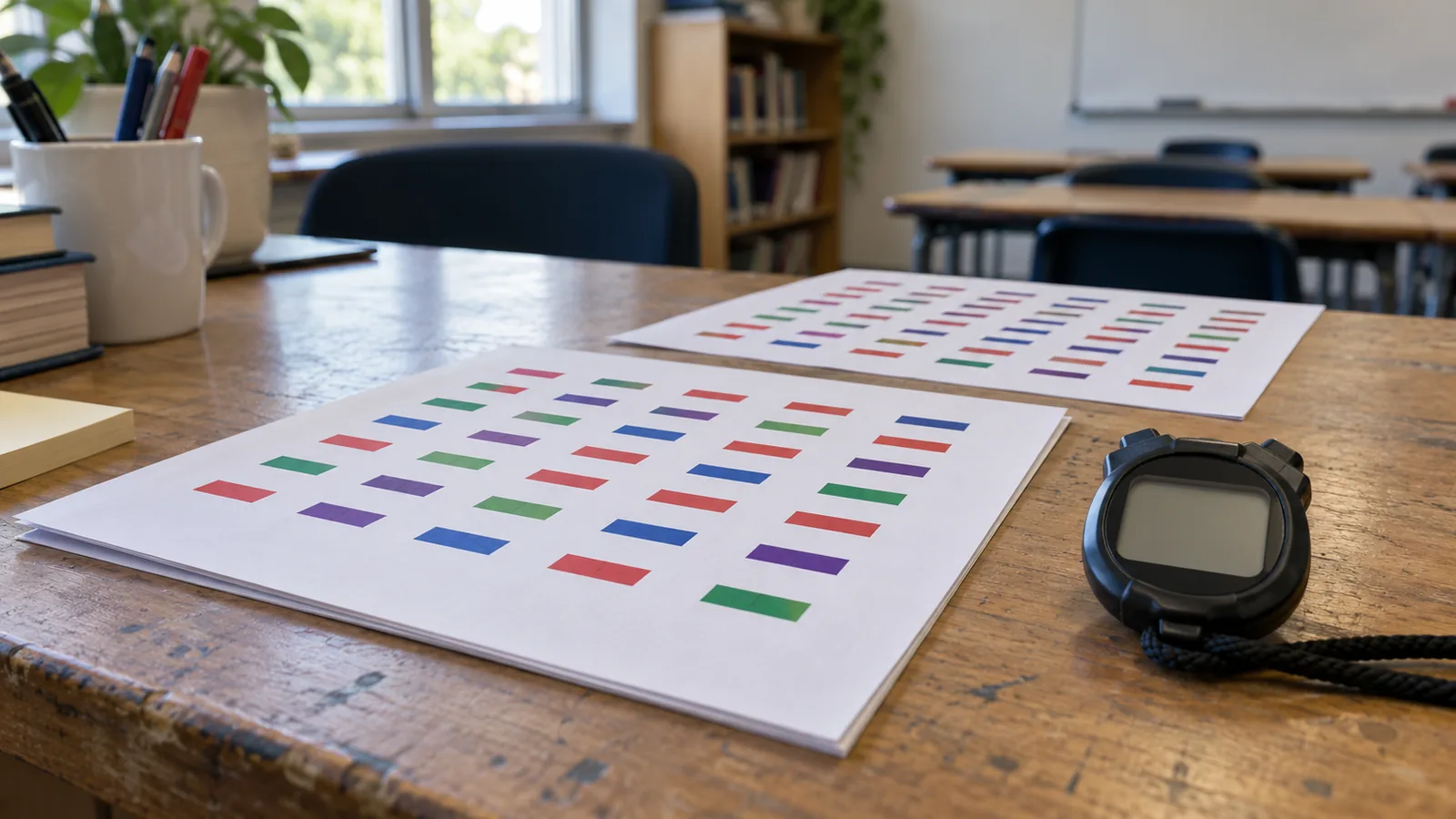
Plan a paper color-naming demonstration with condition and order sheets, blank timing and error records, an observer option and a bounded debrief.