research methods
Correlation vs. Causation: A Psychology Headline Rewrite Activity
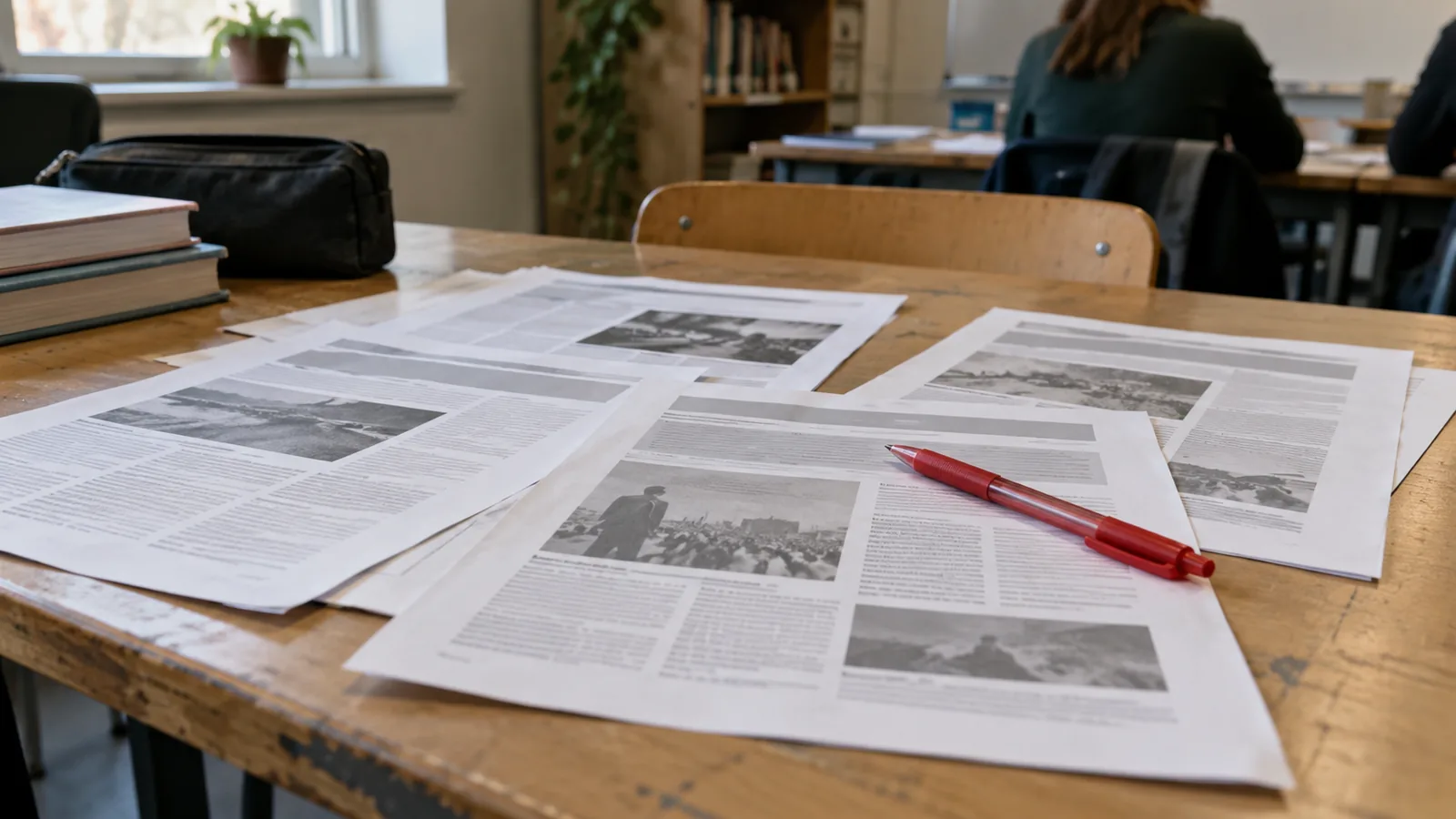
Rewrite fictional psychology headlines to match their evidence, using original cards, a claim-design-explanation sheet and a teacher discussion key.
How do we know?
Psychology studies behavior and mental processes through evidence. Start here to ask what a study measured, how participants were selected and whether its design supports the conclusion being made.

A useful first step is to turn a broad interest into a question that could be investigated. Identify the population, the variables and the observation that would count as evidence. A variable needs an operational definition: a stated way to measure or manipulate it, rather than an everyday label such as “good memory.”
In a correlational study, variables are observed together. That pattern alone does not establish that one caused the other: a third variable or reverse direction may explain it. In an experiment, examine the manipulation, comparison conditions and random assignment. Random sampling and random assignment solve different problems; neither removes every limitation.
Look for the study’s method, sample and outcome measure before evaluating its interpretation. Ask whether the conclusion fits this design and this group of participants. A classroom example is an illustration, not a new research finding. When planning a demonstration, keep participation voluntary and avoid collecting sensitive personal information.
Textbook starting point: OpenStax Psychology 2e. Educational material; not diagnosis or treatment advice.
Rewrite fictional psychology headlines to match their evidence, using original cards, a claim-design-explanation sheet and a teacher discussion key.

Use a claim-and-evidence sheet to read a public psychology paper, locate its sample and measures, and write a conclusion that preserves its limits.

Test research-design decisions with original psychology scenarios, explained distractors, an answer sheet, and a method decision tree.

Revise vague psychology questions into explicit manipulations or measurements with an operational-definition worksheet and worked observational counterexample.